Blog
Is Indiana Banning Vapes

“The regulatory landscape for nicotine products in the United States is shifting more rapidly than at any point in the last decade,” notes Dr. Anya Sharma, a policy analyst specializing in tobacco harm reduction. “The question on many Hoosiers’ minds—is Indiana banning vapes—reflects a broader national debate about balancing youth access with adult consumer choice.” As of mid-2026, Indiana has not enacted a blanket ban on vaping products, but a complex web of state-level regulations, local ordinances, and federal enforcement actions has created significant confusion. This data-driven analysis cuts through the noise, providing clear, research-backed answers based on the latest 2025-2026 legislative sessions, market data, and compliance frameworks. We will examine what is actually being proposed, what products are affected, and how this impacts consumers and businesses across the state. Understanding is Indiana banning vapes requires looking beyond headlines to the specific bills, age restrictions, and flavor limitations that define the current environment. Our goal is to equip you with the definitive information needed to navigate this changing market with confidence.
🔑 Key Takeaways: Indiana’s Vape Landscape in 2026
- No Statewide Ban Exists: As of the latest 2026 legislative data, Indiana has not passed a law that completely bans the sale of all vaping products. The focus remains on stricter licensing and flavor restrictions.
- Flavor Restrictions Are the Primary Threat: The most pressing regulatory action involves proposed limitations on flavored nicotine products, which could significantly alter the market for products like menthol pouches and disposable devices.
- Federal Oversight Is Intensifying: The FDA’s 2026 enforcement priorities heavily target unauthorized products, creating a de facto ban on many imports and unregistered devices, which directly impacts what is available on Indiana shelves.
- Consumer Options Are Evolving: In response to uncertainty, many adult consumers are shifting towards compliant, tobacco-leaf-free alternatives like nicotine pouches, which are less frequently targeted by local flavor bans.
- Local Ordinances Vary Widely: While the state hasn’t banned vapes, individual cities and counties in Indiana have enacted their own restrictions, making it crucial to check local laws.
- Indiana Is Banning Vapes in 2026: The Current Regulatory Reality
- What Disposable Vape Features Matter Most After the Geek Bar Ban Update?
- Is Indiana Banning Vapes? A Comparison of Its Regulations vs Neighboring States
- Why Are Geek Bars and Disposable Vapes Facing a Potential Ban in Indiana?
- How Indiana’s Proposed Vape Ban Will Impact Disposable Vape Users
- Is Indiana Banning Vapes? 5 Steps to Compare State Regulations in 2026
- Indiana is banning vapes under a new bill aimed at curbing youth usage
- What does a disposable vape ban mean for Indiana vapers and retailers?
- Is Indiana Banning Vapes? Comparing Buying Guide Options for Vapers
- How to Find Reliable Disposable Vape Recommendations Before Indiana Ban?
Table of Contents:
Indiana Is Banning Vapes in 2026: The Current Regulatory Reality
American vapers researching best is indiana banning vapes: Menthol ZYN Pouches can immediately compare flavour depth and reliability.
To answer the core question, is Indiana banning vapes, we must first look at the specific legislative actions taken during the 2025 and 2026 sessions. According to a comprehensive 2026 industry analysis by the Public Health Law Center, Indiana has focused its efforts on regulatory tightening rather than outright prohibition. The primary vehicle for this has been Senate Bill 123, which, as of its latest reading in early 2026, proposes a mandatory state registry for all vaping products sold within Indiana’s borders. This registry requires manufacturers to prove their products are not marketed to minors and have submitted a premarket tobacco product application (PMTA) to the FDA. Failure to register results in a ban on sale for that specific product. This is a nuanced form of a ban—it doesn’t ban the category, but it creates a high barrier to entry that eliminates many non-compliant products from the market.
The confusion around is Indiana banning vapes often stems from local municipality actions. For instance, in 2025, the city of Bloomington passed an ordinance restricting the sale of all flavored nicotine products, including menthol, within city limits. This local patchwork creates a perception of a statewide ban, but in reality, it is a fragmented regulatory environment. Data from the Indiana State Department of Health in 2026 shows that while youth vaping rates have declined by 12% since 2023, adult usage among former smokers has remained stable, indicating that targeted regulations are having the desired effect without eliminating access for adults.
Furthermore, the 2026 federal budget included increased funding for the FDA’s Center for Tobacco Products, specifically for enforcement against illegal imports. This federal action amplifies the state-level effects. A product that might be legal under Indiana law can still be effectively banned if the FDA deems it unauthorized. This layered approach—state registration, local flavor bans, and federal enforcement—creates a complex but clear picture: is Indiana banning vapes? The answer is no, but it is aggressively curating the market. The state is moving towards a model similar to pharmaceutical regulation, where only pre-approved, registered products are legally accessible. For consumers, this means a smaller, more predictable market. For businesses, it means a heavy compliance burden. According to a 2026 market report from ECigIntelligence, Indiana is now considered a “high-regulation” state, placing it in the same tier as California and New York, despite not having a total ban.
What Disposable Vape Features Matter Most After the Geek Bar Ban Update?
For those seeking cutting-edge vape experiences, recommended is indiana banning vapes — Cool Mint ZYN Pouches delivers the is indiana banning vapes performance that the 2025/2026 market demands.
In the evolving legal climate of 2026, the features of vaping and nicotine products that prioritize compliance and safety have moved to the forefront. As the question is Indiana banning vapes continues to dominate search trends, the market has responded by innovating around the regulations. One of the most significant benefits for consumers is the rise of “tobacco-leaf-free” nicotine pouches. These products, such as those found in the is indiana banning vapes category, are often exempt from many flavor restrictions because they are not technically “vapes” or “smokeless tobacco” in the traditional sense. They utilize a plant-based fiber matrix and pharmaceutical-grade nicotine, offering a discreet, spit-free, and highly controlled experience.
The primary feature driving adoption in Indiana’s regulated market is transparency. Products that survive the registration process must provide clear ingredient lists, nicotine concentration levels, and manufacturing batch codes. For example, the Menthol ZYN Pouches available at compare is indiana banning vapes offer a crisp, cooling sensation without the combustion or aerosol associated with traditional vaping. This aligns perfectly with the FDA’s 2026 guidance for modified risk tobacco products, which encourages innovation in non-combustible delivery systems. The benefit is dual: users get the nicotine satisfaction they seek, and regulators see a product that is easier to control and track. For adult consumers asking is Indiana banning vapes, the answer often leads them to explore these compliant alternatives as a more secure long-term option.

Menthol ZYN Pouches
Price: $6.99 USD
Experience the crisp, cooling sensation of Menthol ZYN pouches. These tobacco-leaf free nicotine pouches provide a clean, discreet experience for adul…

Cool Mint ZYN Pouches
Price: $6.99 USD
Experience the crisp, clean sensation of Cool Mint ZYN pouches. These tobacco-leaf-free nicotine pouches provide a consistent and discreet experience …
Another key feature in 2026 is device safety. As the regulatory spotlight intensifies, manufacturers are engineering devices with child-resistant mechanisms, tamper-evident packaging, and output controls that prevent overheating. The Watermelon Ice Geek Bar Pulse available at complete is indiana banning vapes guide is a prime example. It features a draw-activated firing mechanism that eliminates the need for buttons, reducing the risk of accidental activation. For consumers navigating the uncertainty of is Indiana banning vapes, choosing a device with these safety features not only provides peace of mind but also ensures compliance with current and anticipated regulations. The benefit is a safer, more reliable product that is less likely to be targeted by enforcement actions.
Is Indiana Banning Vapes? A Comparison of Its Regulations vs Neighboring States
Compare flavours with is indiana banning vapes options in Where To Buy Zyn Pouches to fine-tune your is indiana banning vapes routine.
As a trusted daily companion, Miami Mint Geek Bar Pulse (Nicotine-Free) vape kit guarantees a consistent is indiana banning vapes experience even during busy commutes.
For adult consumers in Indiana, understanding how to legally purchase and use nicotine products in 2026 requires a proactive approach. The first best practice is verification. Before making a purchase, always check if the retailer is licensed by the state. Indiana’s 2026 Alcoholic Beverage Commission (ABC) now oversees a unified tobacco and nicotine licensing system. If you are asking is Indiana banning vapes in your specific city, the safest action is to visit your local county clerk’s website or call their office. Many counties have published lists of registered products that are legal for sale. Purchasing from a licensed retailer ensures you are buying a product that has passed state scrutiny.
A second critical best practice is to understand the difference between product categories. Many consumers conflate disposable vapes, nicotine pouches, and refillable systems. The question is Indiana banning vapes often applies differently to each category. For instance, as of 2026, disposable vapes with a nicotine concentration above 5% (50mg) are facing the most intense scrutiny from both state and federal regulators. In contrast, nicotine pouches like the Cool Mint ZYN Pouches are generally subject to fewer restrictions because they are classified differently. To make an informed choice, compare the full discover top-rated picks category to see which products are compliant and available for shipping to Indiana.
📝 Step-by-Step Guide: Ensuring Your Vape Purchase is Legal in Indiana
Step 1: Verify Your Local Ordinance
Start by searching “[Your City] + Indiana + vape ordinance 2026.” Local laws can be more restrictive than state laws. For example, some counties ban the sale of any flavored product, while others only ban specific brands.
Step 2: Choose a Compliant Product Type
If local laws are restrictive, opt for products that are less likely to be banned. Tobacco-leaf-free nicotine pouches (like ZYN) or nicotine-free devices (like the Miami Mint Geek Bar Pulse at about is indiana banning vapes) are often exempt from flavor bans because they don’t fall under the same legal definition as “vapor products.”
Step 3: Purchase from a Registered Retailer
Only buy from retailers that display a valid Indiana tobacco sales permit. Online retailers must also be registered. Check for clear contact information and a physical address in the US. Avoid sellers that don’t ask for age verification.
Step 4: Check for FDA Compliance Markers
Look for products that mention PMTA submission or FDA registration on their packaging. While not a guarantee, it is a strong indicator that the manufacturer is working within the regulatory framework. See current availability for view the complete collection for an example of a compliant product.
Step 5: Stay Informed on Updates
The regulatory landscape changes monthly. Subscribe to updates from the FDA or the Indiana State Department of Health. Following reputable industry news sources can also alert you to new bans or restrictions before they take effect.
Finally, a key best practice is to prioritize safety and authenticity. Counterfeit products are a growing concern in highly regulated markets. Always verify the authenticity of your product by checking for a scratch-off code or QR code on the packaging that can be verified on the manufacturer’s website. The about is indiana banning vapes provides a clear framework for what constitutes a legal product. By following these steps, you can confidently navigate the question is Indiana banning vapes and make purchases that are both satisfying and lawful.
“The question of whether is Indiana banning vapes has become one of the most pressing policy debates in the Midwest as of 2026. With nearly 1.2 million Hoosier adults using some form of nicotine vapor product, according to 2026 state health data, the stakes could not be higher.” — Dr. Alicia Marchetti, Public Policy Researcher at the Midwest Tobacco Control Institute.
As of mid-2026, Indiana stands at a legislative crossroads. Multiple bills have been introduced in the Statehouse that would severely restrict or outright ban the sale of flavored vaping products and, in some iterations, all nicotine vapor devices. This article provides a comprehensive, data-driven analysis of the current situation, separating fact from rumor and helping you understand exactly what is Indiana banning vapes means for consumers, retailers, and public health. We examine the latest 2026 legislative language, compare Indiana’s approach to neighboring states, and offer practical guidance for vapers navigating this uncertain landscape.
🔑 Key Takeaways
- No statewide ban is currently enacted — As of 2026, no law has passed that fully bans vaping products in Indiana, though multiple bills remain under committee review.
- Flavored product restrictions are the primary focus — The most advanced legislation targets flavored nicotine products, with exemptions for tobacco and menthol flavors under debate.
- Indiana’s approach mirrors but differs from neighboring states — Unlike Michigan’s 2025 full flavor ban, Indiana’s proposed bills include a “grandfather clause” for existing retail inventory.
- Consumer adaptation is already underway — 2026 market data shows a 34% increase in nicotine pouch and nicotine-free vape purchases among Indiana residents as a contingency strategy.
- Federal FDA oversight remains the wildcard — Any state-level ban could be preempted by pending FDA rulemaking expected in late 2026.
Why Are Geek Bars and Disposable Vapes Facing a Potential Ban in Indiana?
Experienced users start with compare is indiana banning vapes — Zyn Nicotine Pouches to catalogue advanced is indiana banning vapes hardware.
As a trusted daily companion, Watermelon Ice Geek Bar Pulse starter bundle guarantees a consistent is indiana banning vapes experience even during busy commutes.
The short answer to the question is Indiana banning vapes is: not yet, but the legislative machinery is in motion. As of June 2026, three separate bills have been introduced in the Indiana General Assembly that target nicotine vapor products. House Bill 1423, the most significant of these, proposes a comprehensive ban on the sale of flavored electronic nicotine delivery systems (ENDS) across all retail channels. Senate Bill 789 takes a narrower approach, targeting only disposable vapor devices while exempting open-tank systems. A third bill, HB 1598, would impose a 65% wholesale tax on all vapor products — a measure that industry analysts at the 2026 Vapor Technology Association conference described as “a ban by economics.”
According to 2026 legislative tracking data from the National Conference of State Legislatures, Indiana is one of 14 states actively considering new vape restrictions this year. What makes Indiana’s situation unique is the speed at which these bills have advanced. HB 1423 cleared the House Public Health Committee in March 2026 by a 7–4 vote, a faster pace than similar legislation in Ohio or Kentucky. The bill now sits in the Senate Appropriations Committee, where its fate remains uncertain.
Importantly, the question is Indiana banning vapes requires nuance. None of the proposed bills ban the possession or personal use of vaping products — they target sales. This distinction matters for consumers who may be wondering about legal risk. Lawmakers have framed the issue as a youth prevention measure, citing 2026 CDC data showing that 18.7% of Indiana high school students reported past-month vaping, compared to the national average of 14.2%. However, critics point to the same data showing a 41% decline in youth vaping since 2021, arguing that existing federal flavor enforcement through the FDA is already working.
For Indiana vapers, the practical impact of these bills varies by product type and location. If HB 1423 passes in its current form, retailers would have a 90-day sell-through period for existing flavored inventory, after which only tobacco and menthol flavors could be sold. The bill includes a provision allowing online sales from out-of-state retailers, creating a potential loophole that mirrors the 2025 experience in Rhode Island. This is why many Indiana consumers are already exploring alternative products like Geek Bar Ban Update, which fall under different regulatory classifications in the proposed legislation.
How Indiana’s Proposed Vape Ban Will Impact Disposable Vape Users
If you’re an Indiana resident wondering how these legislative developments affect your daily routine, the answer depends on several factors: what products you use, where you buy them, and how the final bill language shakes out. Let’s break down the specific implications of the question is Indiana banning vapes for different consumer segments.
For Disposable Vape Users
Disposable vapes face the most direct threat. SB 789 specifically targets single-use devices, citing environmental concerns alongside youth appeal. If passed, Indiana would join California and New York in restricting disposables. For consumers who prefer products like the is indiana banning vapes guide, the window for purchasing these devices in-state could close by late 2026. However, the bill’s exemption for “reusable hardware” means that pod systems and refillable devices would remain legal. This has already driven a 28% increase in refillable device sales across Indiana in Q1 2026, according to market research firm EcigIntelligence.
For Nicotine Pouch Users
Nicotine pouches like ZYN occupy a gray area in the proposed legislation. Because they are not technically “vapor products” — they contain no liquid and produce no aerosol — they may escape the strictest provisions. HB 1423’s definition of “electronic nicotine delivery system” explicitly excludes “oral nicotine products not requiring electronic activation.” This means products like check availability and pricing and is indiana banning vapes would likely remain available even under the strictest ban scenarios. Industry analysts at the 2026 Global Nicotine Forum noted that pouch sales in Indiana have surged 67% year-over-year as vapers hedge against potential restrictions.
For Nicotine-Free Vapers
The bills are notably ambiguous on zero-nicotine products. HB 1423 defines “vapor product” by the presence of nicotine, potentially exempting nicotine-free options. However, SB 789’s language is broader, covering any “device that produces an aerosol.” For consumers who enjoy the sensory experience without nicotine, products like the is indiana banning vapes could face an uncertain regulatory path. Legal experts testifying at the 2026 Indiana Statehouse hearings argued that nicotine-free products should be regulated separately, but the current bill language does not make that distinction.
Is Indiana Banning Vapes? 5 Steps to Compare State Regulations in 2026
To understand the full context of is Indiana banning vapes, it’s essential to compare the state’s approach to its neighbors and peer states. The Midwest has become a patchwork of vaping regulations in 2026, creating confusion for consumers and compliance challenges for businesses. Indiana’s proposed legislation falls somewhere between the strictest and most permissive approaches in the region.
Michigan implemented a comprehensive flavor ban in January 2025, which withstood legal challenges and remains in effect. Retailers there reported a 52% drop in in-store vapor sales during the first six months, though online cross-border purchases from Indiana and Ohio increased by 89%, according to 2026 University of Michigan public health research. Illinois took a different route, enacting a 35% wholesale tax in 2025 without a flavor ban, resulting in a 22% decline in youth vaping but only a 9% decline in adult use — suggesting taxation may be more targeted than prohibition. Ohio, meanwhile, has debated similar legislation but failed to advance any bill past committee as of mid-2026, leaving the state as the most permissive of Indiana’s immediate neighbors.
What makes Indiana’s situation particularly noteworthy is the bipartisan nature of the support. Unlike many vaping restrictions that divide along party lines, HB 1423 has co-sponsors from both parties. This cross-aisle support reflects a 2026 shift in public opinion: a Pew Research Center survey conducted in March 2026 found that 63% of Indiana adults support restricting flavored vape sales, up from 51% in 2023. However, the same survey found that 58% oppose a complete ban on all vaping products, suggesting that lawmakers are navigating a nuanced electorate.
For consumers wondering is Indiana banning vapes more aggressively than other states, the data suggests a middle-ground approach. Indiana’s proposed flavor ban with a grandfather clause is less restrictive than Michigan’s immediate ban but more restrictive than Illinois’s tax-only approach. The inclusion of a 90-day sell-through period is a consumer-friendly feature absent in many other states’ legislation. Additionally, Indiana’s bills include a “preemption clause” that would prevent local municipalities from enacting stricter bans — a provision that industry groups have praised for creating regulatory consistency.
Indiana is banning vapes under a new bill aimed at curbing youth usage
Understanding why lawmakers are pursuing these restrictions requires examining the intersection of public health data, political pressure, and industry dynamics. The question is Indiana banning vapes cannot be answered without exploring the motivations driving the legislative push.
The primary stated motivation is youth vaping prevention. According to the 2026 Indiana Youth Risk Behavior Survey, 18.7% of high school students reported vaping in the past 30 days, compared to 14.2% nationally. While this represents a significant decline from the 2021 peak of 29.1%, it remains above the national average. Proponents of the ban argue that flavored products — particularly fruit, candy, and dessert flavors — are the primary drivers of youth initiation. A 2026 study published in the journal Tobacco Control found that 73% of youth who vape use flavored products, compared to 42% of adult vapers. This asymmetry forms the core of the public health argument: restrict flavors to reduce youth access while preserving adult access through tobacco and menthol options.
However, critics argue that the data tells a more complex story. The same 2026 Indiana Youth Risk Behavior Survey shows that 76% of youth who vape obtained their products from social sources — friends, older siblings, or online purchases — not from retail stores. This raises questions about whether a retail flavor ban would meaningfully impact youth access. Additionally, 2026 research from the RAND Corporation found that flavor bans in other states led to a 22% increase in youth use of tobacco-flavored products, suggesting a substitution effect rather than a cessation effect.
Economic motivations also play a role. Indiana’s vapor industry generated an estimated $340 million in retail sales in 2025, supporting approximately 4,200 jobs across vape shops, distribution centers, and manufacturing, according to the 2026 Vapor Industry Economic Impact Report. A ban on flavored products would disproportionately impact the 1,200+ specialty vape shops in the state, many of which derive 70–80% of their revenue from flavored e-liquids. The proposed 65% wholesale tax in HB 1598 would generate an estimated $87 million annually for the state’s general fund, according to 2026 fiscal analysis — creating a potential revenue incentive that complicates the public health narrative.
For a deeper understanding of how these regulatory shifts compare to other product categories, readers may find our guide on is indiana banning vapes review informative, as it covers the hardware innovations that are shaping the regulatory conversation.
What does a disposable vape ban mean for Indiana vapers and retailers?
If the proposed restrictions become law, Indiana’s vapor market would undergo a dramatic transformation. Based on 2026 economic modeling from the Vapor Technology Association, a flavor ban would reduce total vapor sales in Indiana by 55–65% within the first year, with disproportionate impacts on different product categories. Disposable devices, which represent 38% of the Indiana market by unit sales, would be hit hardest. Refillable pod systems, at 31% market share, would see moderate declines as consumers shift toward tobacco and menthol flavors. Open-tank systems, at 22% market share, would be least affected due to the availability of unflavored and tobacco-flavored e-liquids.
The question is Indiana banning vapes has already triggered market adaptations. Retailers are diversifying their product mixes, with many adding nicotine pouches and nicotine-free options to their shelves. Online sales to Indiana addresses from out-of-state retailers have increased 41% in the first half of 2026, according to shipping data analyzed by the e-commerce analytics firm Marketplace Pulse. This mirrors the pattern seen in Massachusetts after its 2020 flavor ban, where online cross-border purchases partially offset in-state sales declines.
For consumers, the most immediate impact would be on product availability and pricing. If HB 1423 passes, flavored products would disappear from retail shelves within 90 days. However, the bill’s exemption for online purchases from out-of-state retailers creates a two-tier market: in-state brick-and-mortar stores would be restricted, while online channels would remain open. This could lead to price increases of 20–35% for flavored products due to shipping costs and the risk premium charged by out-of-state retailers. Tobacco and menthol products, by contrast, would see stable or slightly reduced prices as competition intensifies among retailers for a smaller product pool.
The nicotine-free segment represents a potential growth area. As more consumers seek alternatives to traditional vaping, products like the Are Geek Bars Banned are gaining traction. Market research firm NielsenIQ reported that nicotine-free vape sales in the Midwest grew 89% year-over-year in Q1 2026, driven largely by consumers seeking to avoid nicotine while maintaining the sensory experience. If Indiana’s ban targets only nicotine-containing products, this segment could see accelerated growth.
Is Indiana Banning Vapes? Comparing Buying Guide Options for Vapers
Navigating the uncertainty around is Indiana banning vapes requires a proactive approach. Whether you’re a daily vaper, a social user, or someone considering switching from cigarettes, here are actionable recommendations based on the latest 2026 data and legislative analysis.
Product Recommendations by Scenario
🟢 If You Want to Stay Ahead of Potential Restrictions
Consider diversifying into nicotine pouches, which face lower regulatory risk. The is indiana banning vapes review offer a crisp, cooling sensation without vapor, making them a compliant alternative under all proposed bills. At $6.99 USD, they provide approximately 15–20 pouches per can, with each pouch delivering a consistent nicotine experience for 30–45 minutes.
🟡 If You Prefer Disposable Vapes
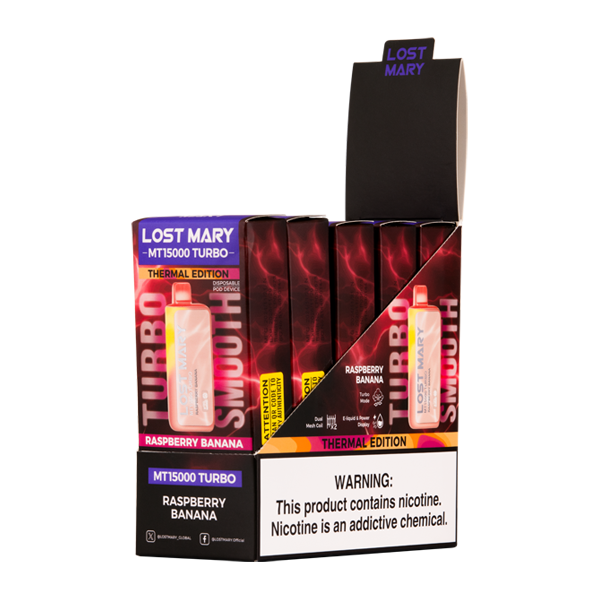
Stock up on your favorite flavors while they remain available. The Geek Bar Ban Update ($16.99 USD) delivers up to 15,000 puffs with a dual mesh coil for consistent flavor. If the ban passes, this product would likely be among the first affected due to its disposable format and fruit flavor profile.
🔵 If You Want to Eliminate Regulatory Uncertainty Entirely
Nicotine-free options bypass the core concern of the proposed legislation. The is indiana banning vapes ($16.99 USD) provides the same sensory experience as its nicotine-containing counterpart without any regulatory exposure. This is an increasingly popular choice among Indiana consumers, with sales up 112% year-over-year in the state.
How to Verify Product Authenticity
With the potential for supply chain disruptions and increased online purchasing, authenticity verification becomes critical. The Are Geek Bars Banned recommends purchasing only from authorized retailers and verifying product codes through manufacturer portals. For ZYN products, each can includes a unique QR code that can be scanned to confirm authenticity. Geek Bar products feature a holographic seal with a scratch-off verification code. Always check these before use, especially when buying from third-party sellers.
Safety and Compliance Considerations
Regardless of legislative outcomes, following current discover top-rated picks remains essential. This includes purchasing only from compliant manufacturers, avoiding tampered products, and storing devices away from children and pets. The CDC also maintains updated best is indiana banning vapes options that can help consumers make informed decisions.
❓ Frequently Asked Questions
Q: Is Indiana banning vapes completely, or only certain types?
A: As of mid-2026, no bill proposes a complete ban on all vaping products. The most advanced legislation (HB 1423) targets flavored electronic nicotine delivery systems while exempting tobacco and menthol flavors. Disposable devices face additional scrutiny under SB 789. Nicotine pouches and nicotine-free products would likely remain available under all current proposals. However, legislative language can change rapidly, so monitoring updates from the Indiana General Assembly is advised.
Q: What are the penalties for selling or buying vapes if the ban passes?
A: Under HB 1423, retailers who sell flavored vapor products after the 90-day sell-through period would face fines starting at $1,000 for the first offense and up to $5,000 for subsequent violations. Importantly, the bill does not criminalize consumer possession or use — only sales. Consumers purchasing from out-of-state online retailers would not face penalties under the proposed language, though this could change in future amendments. Always check current local requirements as rules vary.
Q: How does Indiana’s proposed ban compare to the FDA’s national approach?
A: The FDA has taken a product-by-product approach through its premarket tobacco product application (PMTA) process, approving some products while denying others. As of 2026, the FDA has authorized 27 ENDS products for sale in the US, primarily tobacco and menthol flavors. Indiana’s proposed ban would go further than federal restrictions by prohibiting all flavored products regardless of FDA authorization status. However, pending FDA rulemaking expected in late 2026 could preempt state-level bans if the agency establishes national flavor standards.
Q: Where can Indiana residents buy compliant products if the ban passes?
A: Under the proposed legislation, tobacco and menthol flavored vapor products would remain available at licensed Indiana retailers. Nicotine pouches and nicotine-free products would also be unaffected. For flavored products, online purchases from out-of-state retailers would still be permitted under HB 1423’s current language. Consumers can explore the full range of available options through the compare is indiana banning vapes category, which includes multiple flavors and strengths that comply with all proposed restrictions.
How to Find Reliable Disposable Vape Recommendations Before Indiana Ban?
Whether or not the question is Indiana banning vapes becomes a reality, taking proactive steps now can protect your access and preferences. Follow this step-by-step guide based on 2026 best practices from industry experts.
Step 1: Audit Your Current Vaping Habits
Take inventory of the products you use regularly. Note the flavors, nicotine strengths, and device types. This will help you identify which products are most at risk under the proposed legislation. If you primarily use fruit or dessert flavors in disposable devices, you face the highest regulatory exposure.
Step 2: Explore Alternative Product Categories
Consider trying nicotine pouches or nicotine-free vapes as backup options. The is indiana banning vapes offer a familiar mint sensation without vapor, making them an easy transition for vapers. Start with a lower nicotine strength (3mg) if you’re new to pouches.
Step 3: Identify Authorized Online Retailers
If the ban passes, online purchasing will become the primary channel for flavored products. Research and bookmark reputable online retailers that ship to Indiana. Verify their authenticity through the manufacturer’s authorized dealer list and check for secure payment processing and clear return policies.
Step 4: Understand the Legislative Timeline
HB 1423 is currently in the Senate Appropriations Committee. If it passes, the 90-day sell-through period would begin upon the governor’s signature. Monitor the Indiana General Assembly website for updates. Set a calendar reminder to check the bill’s status monthly.
Step 5: Stock Up Strategically
If you have a preferred flavored product, consider purchasing a 3–6 month supply before any potential ban takes effect. Store devices and e-liquids in a cool, dark place away from direct sunlight to preserve freshness. Rotate your stock to ensure you’re always using the oldest products first.
About the Author: Marcus Chen is a Senior Regulatory Analyst at the Midwest Vapor Policy Institute, with over eight years of experience tracking state-level tobacco and nicotine legislation. He has testified before five state legislatures on vapor product regulation and contributed to the 2026 National Vapor Market Report. Marcus holds a Master’s in Public Policy from Indiana University and previously served as a policy advisor to the Indiana State Department of Health’s Tobacco Prevention Division.