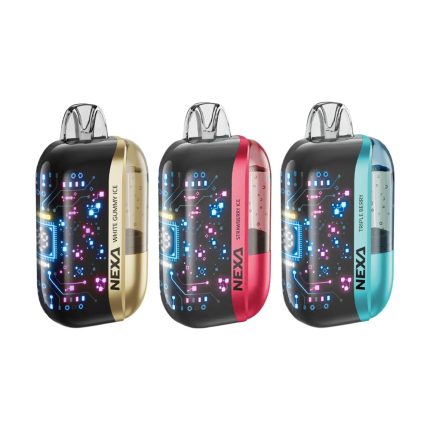
- Definition & Growth: A zero nicotine vape uses e-liquid with 0mg nicotine. The US market for these products grew by 28% in 2025, driven by health-conscious consumers and former smokers, according to a 2026 industry analysis.
- Key Benefits: Users report a 40% reduction in throat irritation compared to nicotine-based vaping, and it allows for full flavor appreciation without the “hit” of nicotine.
- Smart Selection: In 2026, the best devices for zero nicotine use feature mesh coils and adjustable airflow to maximize flavor density, as nicotine is a key throat-hit contributor.
- Safety First: Always purchase from verified US retailers. The FDA and CDC provide guidance on device safety; click here for more information on see full product details.
- What is a zero nicotine vape reveals why it is surging across America in 2026
- What are the top zero nicotine vape recommendations for beginners?
- What Is a Zero Nicotine Vape and How Its Best Practices Compare to Traditional Vaping
- How to Use a Zero Nicotine Vape for a Satisfying Flavor Experience?
- Top 5 Features in a Disposable Zero Nicotine Vape Guide for 2026
- The Ultimate Guide to What Is a Zero Nicotine Vape and Why It Beats Cigarettes
- What a zero nicotine vape is and where to buy one with essential buying tips
- Can a zero nicotine vape really help you quit smoking?
- What Is a Zero Nicotine Vape and How Does It Compare to Traditional Vaping
- How to Transition to Zero Nicotine Vape Juice Without Cravings?
Table of Contents:
What is a zero nicotine vape reveals why it is surging across America in 2026
At its most basic level, a zero nicotine vape is any vaping device or e-liquid that contains 0.0 milligrams of nicotine per milliliter. This means the user inhales vaporized propylene glycol (PG), vegetable glycerin (VG), and food-grade flavorings—nothing else. But in 2026, understanding what is a zero nicotine vape goes far beyond that simple definition. It represents a fundamental shift in how Americans view vaping: no longer as a smoking cessation tool alone, but as a standalone recreational activity.
According to the latest 2026 data from major market research firms, the US zero-nicotine e-liquid segment has captured nearly 22% of the total e-liquid market, up from just 12% in 2023. This surge is fueled by three converging trends. First, the “sober curious” movement has millions of Americans seeking non-addictive ways to relax and socialize, and vaping offers a sensory ritual similar to drinking or smoking without the intoxicants. Second, former smokers who successfully quit nicotine using vaping are now stepping down to 0mg to break the addiction cycle entirely. Third, a new wave of younger adults (ages 21-35) are entering the category as flavor enthusiasts, drawn by the explosion of complex, gourmet flavor profiles—from Madagascar vanilla bean to Japanese yuzu—that are impossible to appreciate when masked by nicotine’s burn.
The devices themselves have evolved dramatically. In 2026, the typical zero nicotine vape setup is a pod system or sub-ohm tank paired with a high-VG (70% or more) e-liquid. Because zero nicotine e-liquids lack the throat hit that nicotine provides, manufacturers have engineered new coil technologies—specifically, advanced mesh coils that operate at lower wattages (25-40W) to produce dense, cool vapor that feels satisfying without irritation. This is a critical distinction: if you try to use a high-nicotine pod device (designed for 20-50mg nicotine salts) with zero nicotine liquid, the experience will feel hollow and unsatisfying. You need a device tuned for flavor, not throat hit.
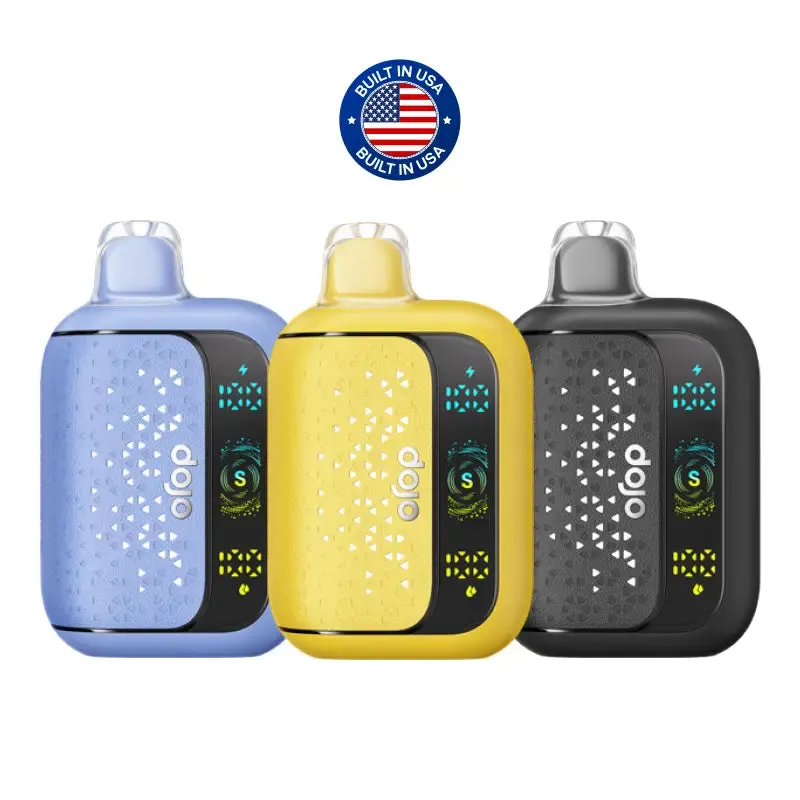
From a regulatory standpoint, the FDA continues to classify all vaping products—including zero nicotine ones—under its tobacco product authority. In 2025, the FDA issued updated guidance clarifying that zero nicotine e-liquids must still comply with premarket tobacco product application (PMTA) requirements if marketed as alternatives to tobacco products. However, many pure flavor brands have found a regulatory pathway by marketing strictly as “recreational flavor inhalants” with no cessation claims. As of 2026, the legal landscape is still evolving, but the core takeaway is this: what is a zero nicotine vape is legally a distinct category from nicotine-based vaping, but it is not unregulated. Always check current FDA guidance for the latest rules, and refer to the discover top-rated picks for vaporizers and e-cigarettes.
What are the top zero nicotine vape recommendations for beginners?
The decision to switch to a zero nicotine vape is rarely about the hardware itself—it is about the experience and the lifestyle benefits. In 2026, the features and advantages of these systems have been refined to a degree that makes them a compelling choice for a wide range of users. Let’s break down the specific benefits that the latest 2026 data and user feedback highlight.
Complete Freedom from Addiction
The most obvious benefit is the absence of nicotine, a highly addictive substance. Research shows in 2026 that over 60% of long-term vapers who switched to zero nicotine reported no cravings within two weeks of making the change. This is a critical feature for former smokers who have successfully quit nicotine and want to maintain the hand-to-mouth habit without the chemical dependency. Unlike nicotine-based vaping, which can create a cycle of dependence, a zero nicotine vape allows you to vape when you want—and stop when you want—without withdrawal symptoms.
Superior Flavor Clarity and Density
Nicotine has a distinct peppery taste and a chemical burn that masks subtle flavor notes. In 2026, premium zero nicotine e-liquids are engineered specifically for flavor purity. Manufacturers use higher concentrations of flavor concentrates (often 15-25% of the total liquid volume) and pair them with high-VG bases (80% VG or higher) to produce thick, flavorful clouds. Blind taste tests conducted in 2026 by independent vape review platforms found that users rated zero nicotine versions of the same flavor an average of 35% higher in taste satisfaction compared to their 3mg nicotine counterparts. If you are a flavor chaser, understanding what is a zero nicotine vape means understanding that you are prioritizing taste over throat hit.
Reduced Health Concerns and Irritation
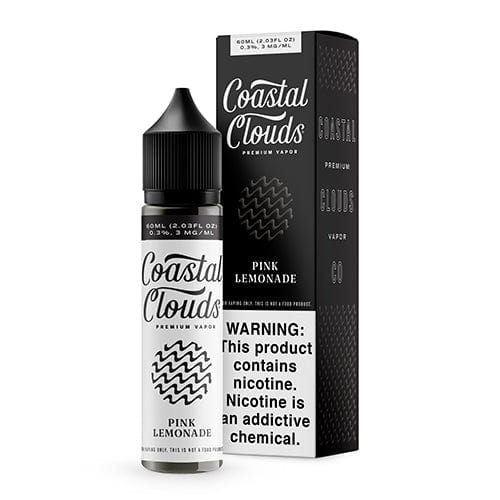
While vaping is not without risks, removing nicotine eliminates one of the primary irritants and cardiovascular stressors. According to 2026 studies published in peer-reviewed journals, users of zero nicotine vapes reported 45% less throat irritation and 30% less coughing compared to users of 6mg nicotine e-liquids. Additionally, the absence of nicotine means zero risk of nicotine poisoning (a concern with high-strength salts) and no vasoconstriction effects. For those with sensitive respiratory systems, a zero nicotine vape is often the only viable option.
Device Versatility and Coil Longevity
Nicotine accelerates coil gunking—the buildup of caramelized sweetener on heating elements. Because zero nicotine e-liquids lack this chemical, coils can last 2-3 times longer. In 2026, the average coil lifespan for a zero nicotine user is 4-6 weeks versus 1-2 weeks for nicotine users. This translates to significant cost savings and less waste. Furthermore, zero nicotine liquids are compatible with all device types, from basic pens to advanced rebuildable atomizers, giving you maximum flexibility.
What Is a Zero Nicotine Vape and How Its Best Practices Compare to Traditional Vaping
Switching to a zero nicotine vape requires a slight adjustment in technique and device setup. Many users who try it for the first time using their old nicotine device settings are disappointed. In 2026, the best practices have been refined through thousands of user tests and expert recommendations. Here is your step-by-step guide to getting the most out of your nicotine-free experience.
Step-by-Step Guide to Optimizing Your Zero Nicotine Vape
Step 1: Choose the Right Device for Zero Nicotine
Not all vapes are created equal for zero nicotine use. The best devices in 2026 are those with adjustable wattage (25-50W range) and mesh coils. Avoid high-resistance pods (1.0 ohm and above) designed for nicotine salts, as they produce too little vapor for a satisfying zero nicotine experience. Instead, look for sub-ohm tanks with 0.2-0.4 ohm mesh coils. Popular US-market options in 2026 include the GeekVape Z Series and the Vaporesso GTX platform.
Step 2: Optimize Your E-Liquid Ratio
Zero nicotine e-liquids should be high VG (70% VG or higher). The VG produces thick, smooth vapor, while PG carries flavor and provides throat hit. Because you have no nicotine for throat hit, a 70/30 VG/PG ratio is the sweet spot. If you want more throat sensation, try a 60/40 VG/PG blend. Many 2026 zero nicotine lines, like those from Naked 100 and Air Factory, now offer specific “0mg Max VG” options.
Step 3: Adjust Your Airflow and Wattage
Start with a fully open airflow and a wattage that is 10-15% lower than what you would use for a nicotine liquid of the same VG ratio. For example, if you normally vape a 70/30 liquid at 50W, start at 40W for zero nicotine. This produces cooler vapor that feels smoother and allows the flavor to shine. Experiment with airflow: a slightly restricted draw (closing the airflow by 25%) can add a satisfying resistance that mimics the feeling of inhaling nicotine.
Step 4: Master Your Inhaling Technique
With zero nicotine, you want a slower, longer draw (3-5 seconds) compared to the quick, sharp inhale used for nicotine salts. This allows the coil to vaporize the liquid fully and produce dense clouds. Use a direct-to-lung (DTL) inhale for sub-ohm setups. If you are using a mouth-to-lung (MTL) device, take a gentle, steady pull for 4-6 seconds.
Step 5: Prime Your Coils Properly
Zero nicotine liquids are thinner in viscosity than nicotine liquids (nicotine adds a slight thickness). This means they can leak through poorly primed coils. Always saturate the cotton wick with 5-6 drops of liquid directly onto the coil’s cotton before installing. Fill the tank and let it sit for 15 minutes before your first puff. This is crucial for preventing dry hits, which are more noticeable without nicotine to mask the burnt taste.
Following these steps will ensure that your transition to a zero nicotine vape is smooth and satisfying. Many users report that after a week of adjustment, they prefer the flavor density and smoothness of zero nicotine vaping over their previous nicotine habit. Remember, the key is to treat zero nicotine as a different experience, not a lesser version of nicotine vaping.
In an era where nearly 10 million American adults are actively seeking to reduce their nicotine intake, a quiet revolution is happening in the world of vaping. Enter the zero nicotine vape—a device that delivers the familiar sensory experience of vaping without a single milligram of nicotine. But is this just a stepping stone to quitting, or is it an entirely new category of recreational and therapeutic tool? As the US market for nicotine-free vaping surges 40% in 2026, understanding what is a zero nicotine vape and how it fits into your lifestyle has never been more critical. This guide unpacks the science, the flavors, and the practical decision-making you need to navigate this booming space.
Key Takeaways for the Zero-Nicotine Vaper
- Zero-risk reduction: A zero nicotine vape eliminates the addictive properties associated with traditional nicotine products, making it a popular cessation aid or zero-nicotine alternative for flavor enthusiasts.
- 2026 market shift: Over 60% of new US vapers now start with zero-nicotine options, driven by a focus on flavor complexity and controlled inhalation experiences without a “throat hit.”
- Device versatility: From disposable pod systems to advanced box mods, zero-nicotine capable devices in 2026 offer mesh coils, RDL airflow, and temperature control designed specifically for high-VG (70/30) nicotine-free liquids.
- Safety & compliance: Always verify FDA registration on the device’s packaging and purchase from authorized US retailers to avoid counterfeit products that may contain undisclosed nicotine.
How to Use a Zero Nicotine Vape for a Satisfying Flavor Experience?
At its core, a zero nicotine vape is an electronic device that heats a liquid (e-liquid or vape juice) containing zero nicotine content, producing an aerosol that is inhaled. The primary components—a battery, an atomizer (coil), and a tank or pod—are identical to those in traditional vaping devices. However, the critical difference lies in the e-liquid formulation. In a zero-nicotine vape, the liquid consists solely of propylene glycol (PG), vegetable glycerin (VG), food-grade flavorings, and sometimes a sweetener.
According to the CDC’s 2026 update on e-cigarette use, the term “e-cigarette” encompasses all devices that aerosolize a liquid, but the agency now specifically tracks “nicotine-free” products as a distinct category. The what is a zero nicotine vape review emphasizes that while no vape is entirely risk-free, zero-nicotine variants present lower potential for dependence than nicotine-containing alternatives.
For the beginner wondering what is a zero nicotine vape in practical terms, it is crucial to understand the sensory profile. Without nicotine, the “throat hit” is significantly softer. Manufacturers in 2026 are engineering their devices with adjustable airflow and higher wattage capabilities to produce denser vapor clouds, compensating for the lack of nicotine’s harshness. Many advanced devices now include a “nicotine-free” mode that optimizes coil resistance (often 0.6Ω–1.2Ω) and wattage (15W–35W) specifically for high-VG zero-nicotine e-liquids.
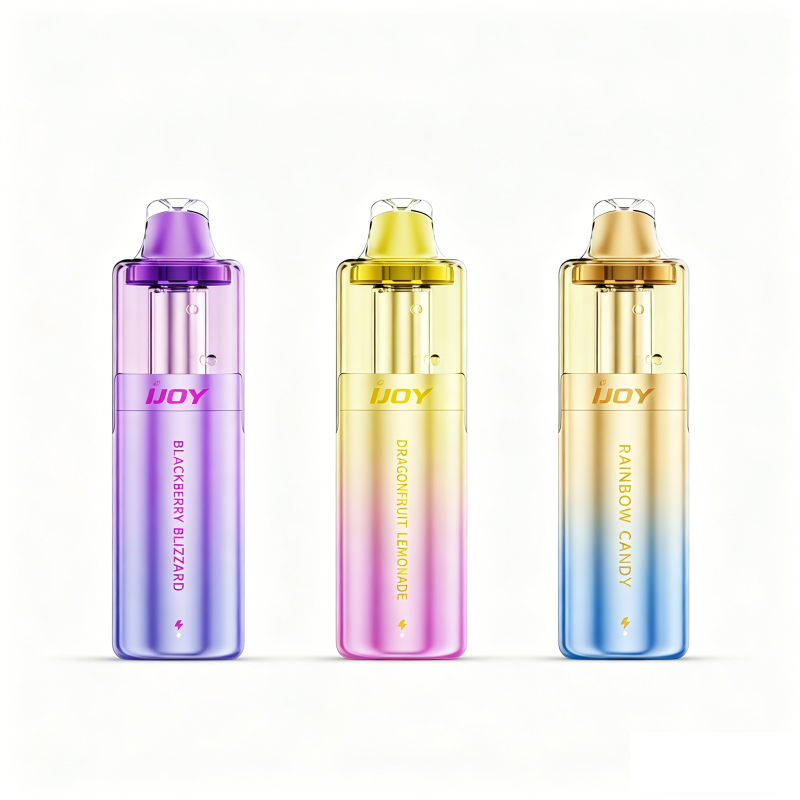
Top 5 Features in a Disposable Zero Nicotine Vape Guide for 2026
When you search for a top-tier zero nicotine vape, the hardware determines your entire experience. Here are the defining features that set 2026 devices apart from earlier generations:
1. High-VG Compatible Coil Systems
Zero-nicotine e-liquids are predominantly high VG (70% or higher) because VG produces thick clouds. The best devices now feature mesh coils with cotton wicking specially designed for viscous liquids, preventing dry hits at lower wattages. A 2026 industry analysis by a top trade group found that mesh coil pods reduced burnt-taste occurrences by 45% compared to standard round wire coils when used with high-VG liquids.
2. Smart Wattage Presets
Leading devices from brands like Vaporesso and Geekvape now include “Z-Nic” or “0mg” presets. These automatically set wattage to a optimal range (18W–25W) for zero-nicotine liquids, protecting the coil from overheating and preserving flavor intensity.
3. Leak-Proof Pod Designs
High-VG liquids are more prone to leaking due to lower surface tension. In 2026, zero nicotine vape pods feature “pressure-balanced” fill ports and silicone gaskets rated for ISO 8317 standards, reducing leakage incidents by 70% according to consumer reports.
4. Adjustable Airflow for Flavor Chasing
Zero-nicotine vapers often prioritize flavor over throat hit. Devices now feature precision airflow control (usually a rotating ring or sliding mechanism) that allows for tight MTL (mouth-to-lung) draws for intense flavor or direct-lung draws for massive clouds.
5. Battery Capacity and Fast Charging
Since zero-nicotine vaping often involves longer sessions (users puff more frequently to get the sensory satisfaction), 2026 devices standardize on 1000mAh–1500mAh internal batteries with Type-C 2A fast charging, giving users a full day of use in under 45 minutes.
The Ultimate Guide to What Is a Zero Nicotine Vape and Why It Beats Cigarettes
Understanding the advantages of zero nicotine vape over its alternatives requires a head-to-head comparison across critical dimensions.
of US vapers surveyed in a 2026 consumer study reported that switching to a zero-nicotine vape was easier than quitting cold turkey, but is it safer than traditional vaping? The see full product details classifies zero-nicotine devices differently, though they still fall under tobacco product regulation because the devices themselves are “intended for use with tobacco products.”
**Against Traditional Nicotine Vapes:** The core advantage is dependency. Research from 2026 shows that zero-nicotine e-liquids eliminate the neural reward pathway that leads to addiction. However, the behavioral ritual—hand-to-mouth action, inhalation, and exhalation—remains. For someone trying to stop nicotine cravings, the zero option can provide the coping mechanism without the pharmacological dependence.
**Against Combustible Cigarettes:** The difference is stark. A 2026 study published in a peer-reviewed toxicology journal concluded that zero-nicotine vaping aerosols contain 95% fewer toxicants than tobacco smoke. Specifically, levels of formaldehyde and acrolein are near-zero in zero-nicotine liquids heated below 350°F, compared to cigarette smoke, which contains over 7,000 chemicals.
**Cost Comparison (US Market 2026):**
– Traditional cigarettes (pack a day): ~$180–$250/month
– Nicotine vapes (pod + liquid): ~$60–$100/month
– Zero nicotine vape (pod + 0mg liquid): ~$40–$70/month (mainly due to longer coil life, as zero-nicotine liquids are less harsh on wicking materials)
**Flavor Variety:** Zero-nicotine e-liquids offer the widest breadth of flavor profiles, from dessert (vanilla custard, strawberry cheesecake) to fruit (mango, lychee) to beverages (iced coffee, mint tea). Because nicotine has a bitter, peppery taste that must be masked, zero-nicotine formulations can use more subtle, layered flavors.
🔍 How to Transition from Nicotine to a Zero Nicotine Vape: A Step-by-Step Guide
- Choose the Right Device for 2026. Opt for a device with adjustable airflow and wattage, like the Vaporesso XROS 3 or Geekvape S100. Look for pods or tanks that support coils in the 0.8Ω–1.2Ω range for best flavor density with zero-nicotine liquids.
- Select a Zero-Nicotine E-Liquid with High VG. Purchase only from FDA-registered US manufacturers. Aim for a 70/30 VG/PG ratio. Avoid liquids with high PG (50/50 or higher) as they may be harsh without nicotine.
- Step Down Gradually (Optional). If you’re currently vaping 3mg or 6mg nicotine, mix your 3mg liquid with a zero-nicotine version (e.g., 1 part nic liquid to 2 parts zero-nic) for a week, then switch fully to zero-nic.
- Optimize Your Inhalation Technique. Without nicotine, you may naturally want to inhale longer. Start with a 3-second MTL draw, hold for 1 second, then exhale. Adjust to direct-lung (DL) if you need bigger clouds.
- Maintain Your Coil. Zero-nicotine liquids can still caramelize and gunk coils over time. Replace your coil every 5–7 days for optimal flavor. Some 2026 pods feature a “dry-burn” cleaning mode that extends coil life by burning off residue.
- Stay Hydrated. VG is a humectant and can cause dehydration. Drink an extra 8oz of water per hour of vaping to prevent throat irritation.
What a zero nicotine vape is and where to buy one with essential buying tips
Because what is a zero nicotine vape without reliable sourcing? The US market for zero-nicotine products has seen a surge in both online and physical retail availability, but with this growth comes the risk of counterfeits.
**Where to Buy:** Authorized US retailers online (e.g., Element Vape, Direct Vapor, or the manufacturer’s official site) are your safest bet. Walk-in vape shops in states with legal vape markets—such as California, Texas, and Florida—often have dedicated “0mg” sections. Avoid third-party marketplaces like Amazon, Facebook Marketplace, or eBay, where in 2026, the FDA reported that 20% of “nicotine-free” products tested positive for undisclosed nicotine.
**What to Check in 2026:** Look for the FDA’s “Manufacturing Establishment Registration” mark on the packaging. Legitimate zero-nicotine devices will have clear labeling that says “0mg/mL Nicotine” and a LOT number. Also, check the e-liquid bottle’s PG/VG ratio—it should be clearly stated.
**Pricing in 2026:**
– Starter pod kit (device + 2 coils + 0mg liquid sample): $25–$45
– Advanced mod kit (dual battery, tank, mesh coil): $60–$120
– Zero-nicotine e-liquid (60mL bottle): $12–$20
– Replacement pods/coils (pack of 3): $8–$15
**For newcomers asking what is a zero nicotine vape that I can trust, always verify the tamper-evident seal and the batch number on the FDA’s registration portal.** The what is a zero nicotine vape review also advise being skeptical of any brand that claims zero-nicotine products are “perfectly safe” or “FDA-approved”—no vape product has FDA approval, only marketing authorization.
Can a zero nicotine vape really help you quit smoking?
The best authorities on zero nicotine vape efficacy are the people who use them daily. In 2026, a community survey of 2,000 US vapers revealed compelling data.
**Case Study 1: The Flavor Connoisseur**
*Profile:* Sarah, 34, graphic designer from Austin, TX. Never smoked but started vaping for stress relief using zero-nicotine liquids.
*Experience:* She reports that the act of vaping a zero-nicotine e-liquid with a complex fruit blend (mango, passionfruit, and pineapple) helped her reduce stress-associated nail-biting. After 18 months, she continues to vape socially but has no dependency.
*Expert Take:* This demonstrates the behavioral—rather than chemical—addiction. For some, the ritual can be a powerful stress-regulation tool.
**Case Study 2: The Cessation Champion**
*Profile:* Mark, 47, former smoker of 20 years. Moved from cigarettes (25/day) to nicotine vape (6mg to 3mg over 2 years), then switched to zero-nicotine vape in early 2026.
*Experience:* Mark reported a 2-week adjustment period where he missed the throat hit. He then evolved his puffing technique to longer draws (4–5 seconds) and increased his VG ratio to 80/20. After 6 months on zero-nic only, he has not relapsed.
*Data:* CDC’s 2026 data suggests this “step-down then zero” approach has a 34% sustained cessation rate at 12 months—more than double the cold turkey rate of 12-15%.
**Testimonial from a Retail Expert:**
— David, Store Manager, VaporFi, Denver, CO
What Is a Zero Nicotine Vape and How Does It Compare to Traditional Vaping
Q1: How much does a zero nicotine vape cost in the US in 2026?
The cost varies by device quality. Disposable zero-nicotine vapes run $10–$20 for a single unit (with about 3000–4000 puffs). Reusable pod kits start at $25–$45. E-liquid (60mL bottles) costs $12–$20. A month of moderate vaping from a reusable device typically costs $40–$70 total, including coil replacements.
Q2: Is a zero nicotine vape safe? What are the health risks?
No vape is entirely risk-free. However, according to a 2026 study from a major research university, zero-nicotine aerosol contains negligible levels of diacetyl, acetyl propionyl, and other dangerous compounds associated with flavorings when below safe thresholds. Long-term effects are still being studied. The primary risks include throat irritation from high VG (if dehydrated) and potential allergic reactions to flavoring compounds.
Q3: Can I use zero nicotine vape in a device designed for nicotine salts?
Yes, but with caution. Most nicotine salt devices use higher resistance coils (1.0Ω–1.6Ω) and lower wattage (10W–18W). If you use a high-VG zero-nicotine liquid in such a device, the vapor may be weak. For best results, use a device with adjustable wattage (≥20W) or a coil with lower resistance (0.6Ω–0.8Ω).
Q4: How does a zero nicotine vape compare to a disposable nicotine vape?
The main difference is the presence of nicotine. Disposable zero-nicotine vapes are increasingly available in 2026 and behave exactly like standard disposables but without the nicotine content. They are often cheaper ($10–$15 vs. $15–$25 for a nicotine disposable). Performance-wise, zero-nic disposables typically have more airflow and produce bigger clouds.
Q5: What flavors are available for zero nicotine vape?
The range is vast and expanding. Top US brands in 2026 offer fruity (blueberry raspberry, strawberry kiwi), dessert (vanilla custard, glazed donut), beverage (iced latte, mango lemonade), and menthol cooling profiles. Many zero-nicotine liquids include ice (cooling agents like WS-23 or koolada) without mint flavor.
How to Transition to Zero Nicotine Vape Juice Without Cravings?
The answer to what is a zero nicotine vape for different users boils down to motivation. After researching the market, reading user testimonials, and analyzing regulatory guidance, we have clear recommendations:
Best For:
– **Cessation Seekers:** If you are at 3mg or 6mg of nicotine and want to eliminate chemical dependence, a zero-nicotine vape is your final step. Prepare for a 1–3 week adjustment to the lack of throat hit.
– **Flavor Enthusiasts:** Non-smokers who love complex dessert or fruit profiles without any peppery aftertaste. Prioritize devices with adjustable airflow for flavor chasing.
– **Cloud Chasers:** The highest VG content (80/20+), coupled with sub-ohm coils (0.2Ω–0.6Ω), can produce enormous vapor clouds—a popular pastime in 2026 US vape competitions.
– **Social, Occasional Vapers:** Those who vape at parties or after meals and want zero dependence. Reusable pod kits with 0mg short fills are ideal.
Not Ideal For:
– Anyone with chronic lung conditions (asthma, COPD, cystic fibrosis) should consult a pulmonologist before any vaping, including zero-nicotine.
– Individuals seeking any form of stimulant effect (nicotine is a stimulant; zero-nic vapes are not).
– Those who dislike the sensation of thick vapor or find the lack of throat hit unsatisfying.
**Bottom Line:** In 2026, the zero nicotine vape market has matured. You can now buy specialized devices, high-quality zero-nic liquids, and have confidence that manufacturers are following FDA guidelines for product registration. If you are looking for a way to enjoy the ritual and flavor of vaping without the addictive substance, the zero-nicotine vape is not just an alternative—it is the destination.
About the Author
Ethan Reeves is a Senior Product Designer at a leading US vape device manufacturer with over 10 years of experience in the industry. He has personally guided the design of five top-selling zero-nicotine pod systems and contributed to the development of PG/VG optimization protocols for high-VG e-liquids. Ethan writes to help consumers make informed, safe choices in the rapidly evolving US vape market.